
What Are the Safety Measures Followed During a Cape Ann Whale Watch Excursion?
Most people step onto a whale watch boat thinking about giant tails crashing the water, camera rolls full of ocean shots, and cold salt air hitting the deck. Safety barely crosses the mind at first. That changes once the boat leaves Gloucester Harbor and open water starts moving beneath your feet. A good crew prepares for that long before passengers even arrive.
That is exactly why experienced operators like Cape Ann Whale Watch follow strict safety routines during every excursion. Crew members inspect equipment before sunrise, monitor changing weather all day, guide passengers around the deck, and stay alert once the boat reaches deeper water. Most passengers never notice half the work happening onboard. That usually means the crew handled the job correctly.
The ocean near Gloucester changes quickly. Calm water near the harbor can turn rough farther offshore. Wind picks up fast. Fog moves in without warning. Strong whale watch crews prepare before conditions become a problem instead of reacting too late.
Safety Checks Start Before the Boat Leaves the Dock
Passengers usually arrive excited and distracted by the waterfront views around Gloucester Harbor. Crew members stay busy long before boarding starts. Engines get checked carefully. Communication systems get tested. Emergency equipment gets inspected before passengers even walk down the dock.
Captains also review marine forecasts several times before departure. Wind direction, wave height, visibility, and tide movement all affect the route for the day. A professional Gloucester Whale Watch company never guesses with ocean conditions.
Deck surfaces and railings receive attention as well. Ocean spray makes walking areas slippery quickly once the boat reaches open water. Crew members handle small details early because small problems become bigger offshore.
Passengers may never see most of these checks happening. That preparation still shapes the full experience once the trip begins.
Experienced Crews Matter More Than People Realize
Large boats alone do not create safe whale watch excursions. Experienced crews do. Captains working around Cape Ann waters understand local currents, fog patterns, rocky areas, and sudden weather shifts better than most visitors ever could.
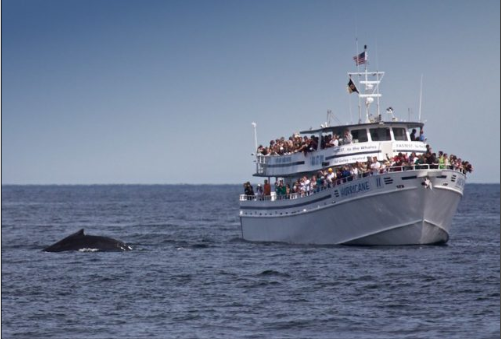
That local knowledge becomes important once whales appear and passengers rush toward the railings for photos. Crew members guide movement around the deck while keeping the viewing areas controlled and safe. A crowded boat becomes chaotic quickly without an organized staff.
Naturalists on board also help during the excursion. Passengers learn where whales feed, how migration works, and why captains maintain safe viewing distances during sightings.
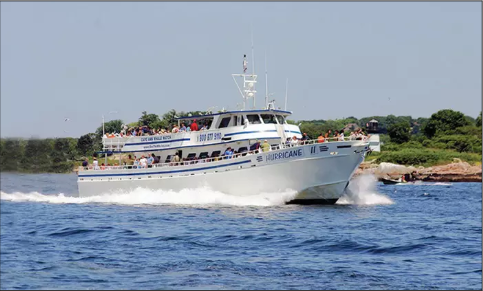
Passengers Receive Safety Instructions Before Departure
Most passengers want simple instructions before heading onto the water. Strong crews understand that. Before departure begins, crew members explain where emergency gear is stored and how passengers should move around the boat safely during the ride.
Guests hear reminders about holding railings, supervising children closely, and avoiding restricted equipment areas. Those instructions become much more important once offshore water gets rougher than expected.
Many first-time passengers underestimate how different the ocean feels away from the harbor. The boat may move harder. The wind feels colder offshore. Walking across the deck suddenly requires more balance than expected.
Clear communication helps remove confusion early. Passengers relax faster once everyone understands what to expect during the excursion.
Planning a whale watch weekend near Gloucester Harbor?
Stay at The Highliner Hotel for easy access to tours, restaurants, and waterfront views.
Weather Monitoring Continues During the Full Excursion
Ocean weather near Cape Ann changes fast enough to reshape an entire route within hours. That reality makes weather tracking one of the most important safety measures during whale watch excursions.
Captains continue monitoring marine radio updates throughout the full trip. Wind speed, fog movement, and offshore visibility all affect navigation decisions while the boat remains on the water.
Experienced operators adjust routes when conditions become uncomfortable or unsafe. Passengers may never realize why the captain changed direction or reduced speed halfway through the excursion. Those decisions usually happen quietly behind the scenes.
Travelers booking Cape Ann whale watching trips often focus only on whale sightings before arrival. Experienced crews focus on passenger safety first every single time.
Whale Protection Rules Also Help Passenger Safety
Federal whale protection guidelines exist for more than marine conservation alone. Those rules also help create safer experiences for passengers on whale watch boats.
Large whales move suddenly near the surface. Boats approaching too aggressively create dangerous movement on the water. Professional captains maintain safe viewing distances instead of chasing dramatic moments too closely.
Naturalists usually explain whale behavior during sightings, which helps passengers understand why boats move carefully around feeding areas. That education builds trust during the excursion while creating a calmer atmosphere on board, especially for visitors building a full coastal itinerary around experiences like the ultimate guide to art galleries in Cape Ann.
Conclusion
A whale watch excursion looks simple from the dock. Once the boat reaches open water, preparation becomes everything. Experienced crews monitor weather constantly, inspect safety equipment before departure, guide passengers during the ride, and follow strict marine wildlife rules offshore. Those steps help create the kind of experience passengers remember for the right reasons.
Visitors planning a coastal trip with Cape Ann Whale Watch can also enjoy a comfortable stay near Gloucester Harbor at The Highliner Hotel.
Want a quieter stay close to Gloucester Harbor adventures?
Book your coastal getaway at The Highliner Hotel before your whale watch trip.
Frequently Asked Questions
How Does Cape Ann Whale Watch Ensure Passenger Safety on Board for All?
Cape Ann Whale Watch crews inspect communication systems, emergency gear, engines, and passenger areas before every excursion begins. Captains also review marine forecasts carefully before leaving Gloucester Harbor. Crew members guide passengers during boarding, explain safety instructions clearly, and monitor movement around the deck during whale sightings. That preparation helps passengers feel safer throughout the full ride offshore.
What Safety Equipment is Available During a Whale Watching Excursion?
Most whale watch boats carry life jackets, marine radios, emergency flotation devices, communication systems, and first aid kits onboard. Crew members explain where the safety equipment is located before departure begins. Passengers joining Cape Ann whale watch Gloucester tours also receive guidance about emergency exits and safe walking areas around the deck before the boat reaches deeper water offshore.
Are There Trained Crew Members Onboard to Handle Emergencies?
Professional whale watch crews rely on trained captains and experienced crew members for each outing, so it feels smooth all the way through. The team also knows the emergency response playbook, marine communication tools and how passenger safety operations should work in real time. Everything is organized, not just because of regulations. Many captains spend years working around Gloucester waters before leading tours independently.
What Guidelines Must Passengers Follow to Stay Safe During the Trip?
Passengers should hold railings while walking around the deck, supervise children carefully, and listen closely during crew announcements throughout the excursion. Wet surfaces become slippery quickly once offshore waves increase around the boat. Travelers joining a Gloucester Whale Watch trip usually enjoy a smoother experience once everyone follows the crew’s instructions from the beginning of the ride.
How Are Weather Conditions Monitored Before and During Excursions?
Captains review marine forecasts before departure and continue tracking conditions throughout the excursion using weather systems and marine radio updates. Wind direction, visibility, offshore fog, and wave movement all affect navigation decisions during the ride.
suggested articles
Gloucester Schooner Festival 2026: The Complete Guide
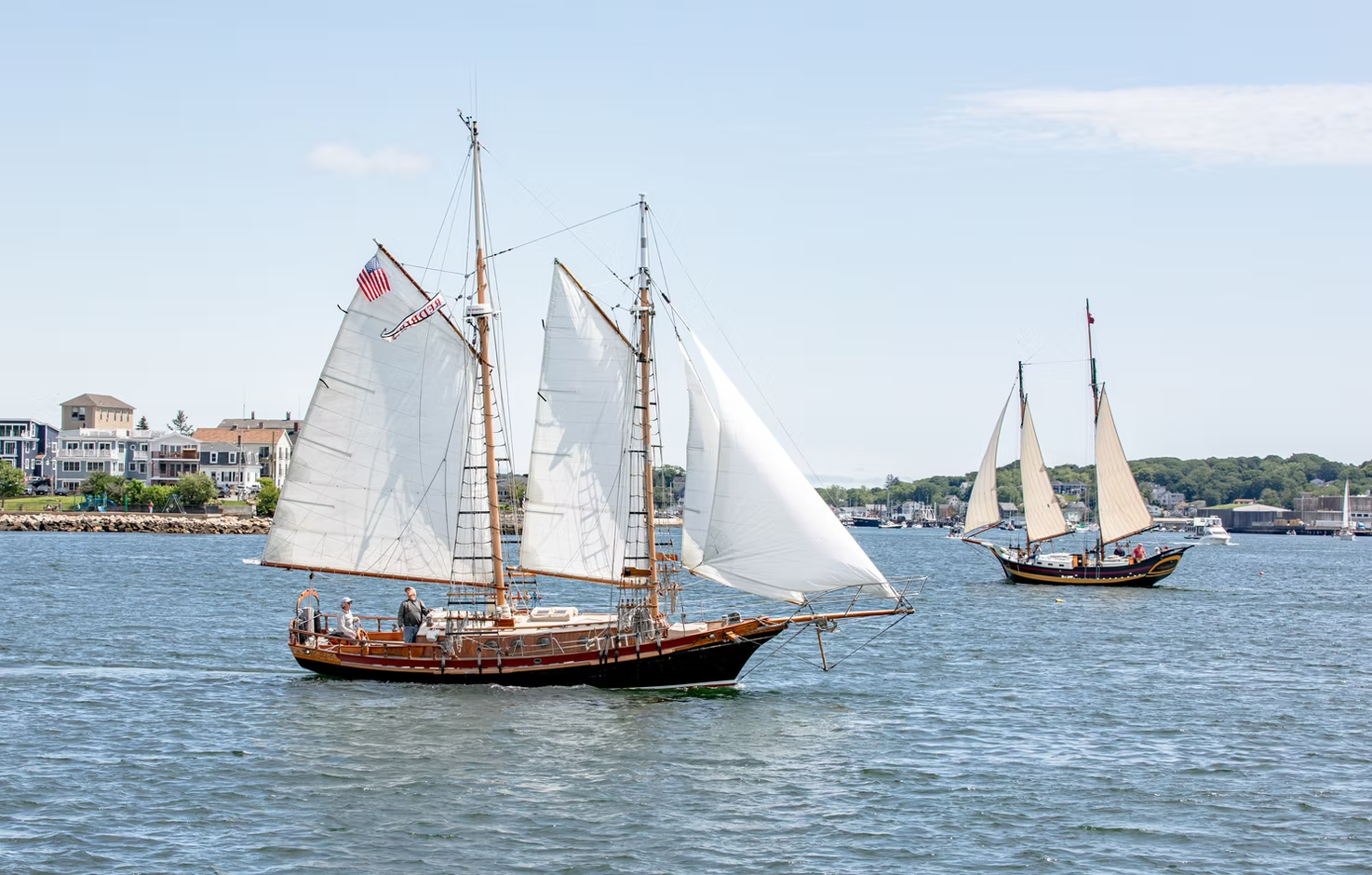
Every year, as summer begins to soften into fall, Gloucester Harbor fills with towering masts and billowing canvas for one unforgettable weekend. The Gloucester Schooner Festival is the North Shore’s greatest…

How Do You Evaluate Reviews Before Booking Places to Stay in Gloucester, MA?
Most people book hotels too fast. A few nice photos, a high rating, and suddenly the reservation feels locked in emotionally. Then the trip starts. Parking feels impossible. Walls sound paper-thin.…

How Can You Book Last-Minute Deals for Gloucester, MA Hotels on the Water?
Weekend trips to Gloucester usually start the same way. Someone checks hotel prices too late, sees expensive waterfront rooms, and assumes every good stay is already gone. That happens often during…
The Gloucester Seafood Guide: Where to Taste the Real Catch of Cape Ann
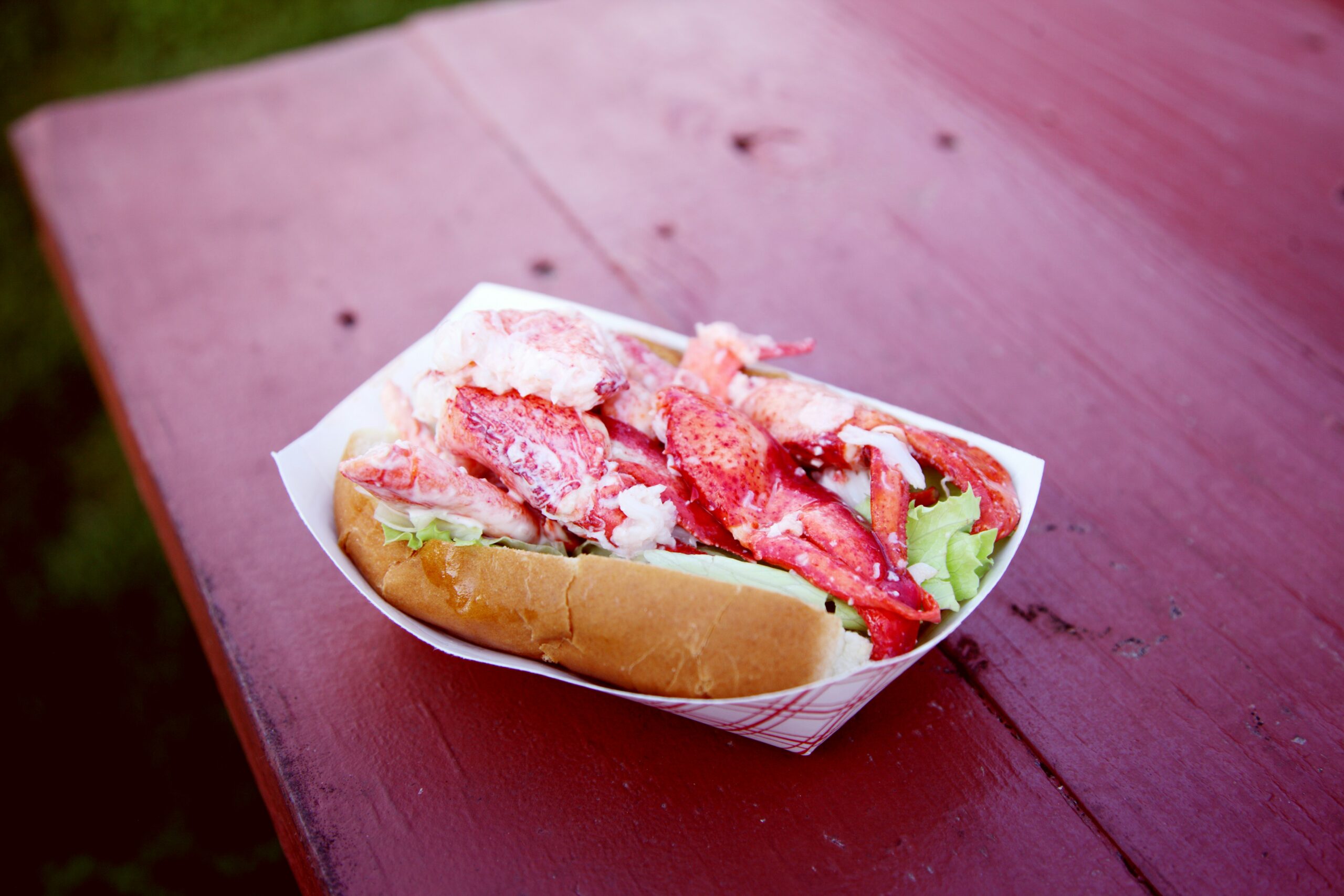
As America’s oldest fishing port, Gloucester has been pulling dinner straight from the Atlantic for four centuries. That heritage shows up on the plate: here, “fresh catch” is not a marketing…
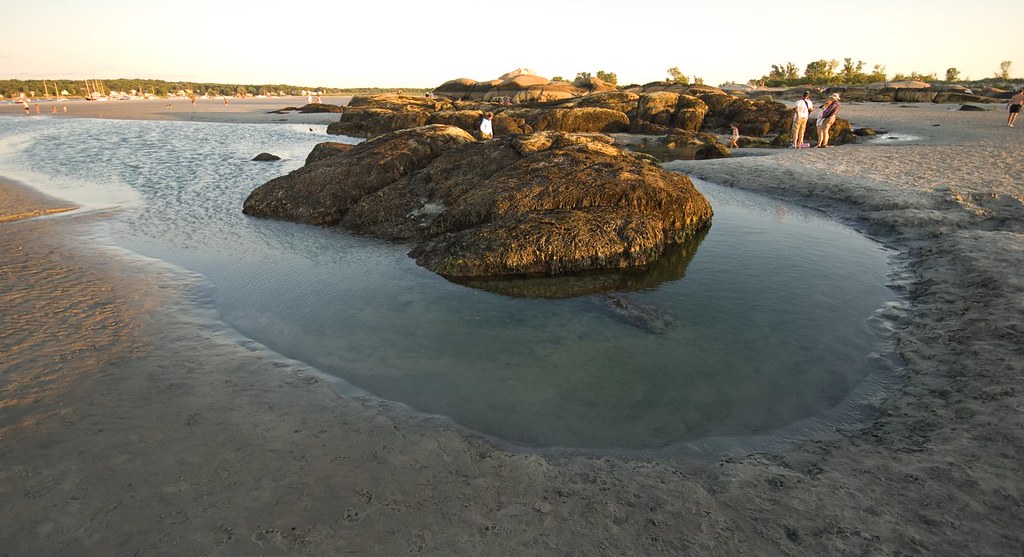
Wingaersheek Beach, MA: Insider Tips for a Perfect Day in Gloucester
There’s a reason people keep coming back to Wingaersheek Beach, MA, year after year. The soft sand, calm water, incredible sunsets, and those famous sandbars make it one of the most…

What Amenities Guests Really Want at Gloucester By The Sea Hotels Gloucester MA
When people start looking for a place to stay on the Massachusetts coast, they usually have a simple goal. They want a clean room, a comfortable bed, and a location that…
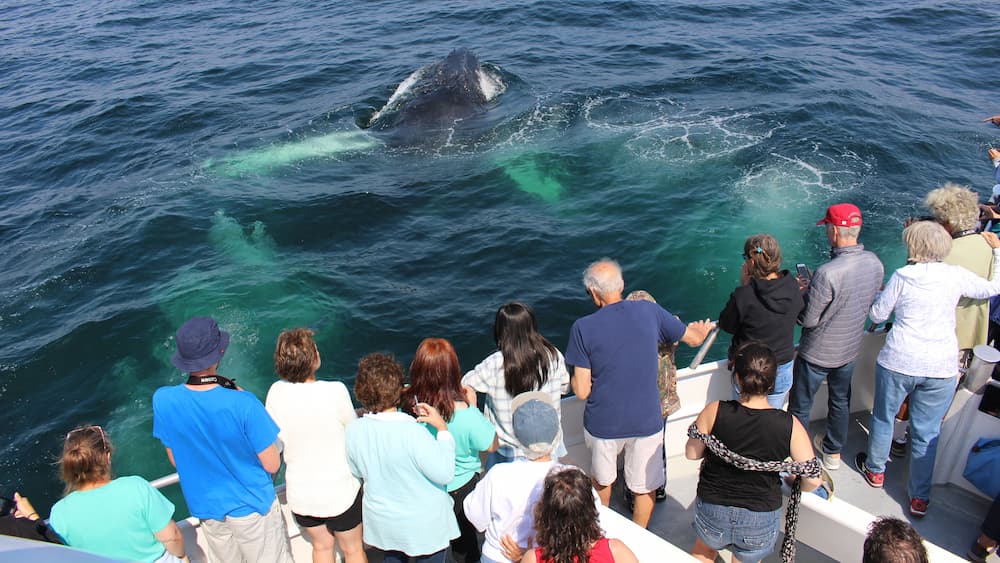
How Does Cape Ann Whale Watch Create Emotional Wildlife Moments?
There are plenty of things you can plan for on a vacation. You can book the hotel. Pick the restaurants. Map out the beaches. Maybe even decide which museums or shops…

How Can You Find Oceanfront Hotels in Gloucester MA with the Best Views?
There’s something different about waking up near the ocean in Gloucester. The air smells salty before you even step outside. Seagulls are already loud by sunrise. Fishing boats move slowly through…
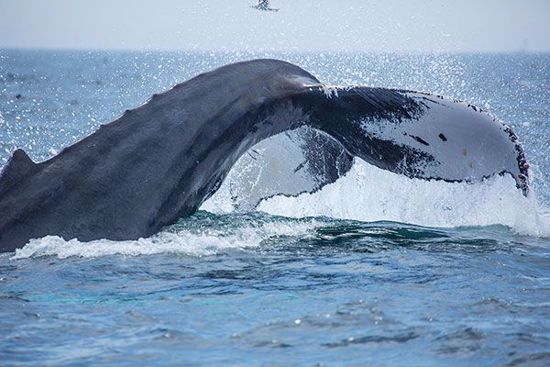
How Does a Cape Ann Whale Watch Support Local Marine Conservation Efforts?
There’s something different about seeing a whale in real life. Not on YouTube. Not in some polished documentary with dramatic music. Out there on the water, off the rocky coast of…

How Can You Enjoy Ocean Views from the Best Hotels in Gloucester MA on the Beach?
There’s something about waking up near the ocean that just resets your brain a little. Maybe it’s the sound of waves outside the window. Maybe it’s salty air sneaking through the…
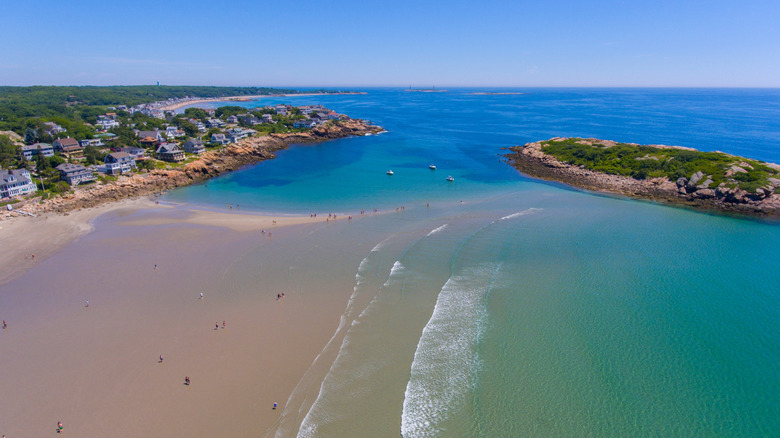
How Do You Plan the Perfect Day Trip to Wingaersheek Beach, MA?
There’s something about Gloucester that feels different the second you get there. Slower. Saltier. Less polished in a good way. People aren’t trying too hard. The ocean does most of the…

Tips You Should Know Before Booking Gloucester By The Sea Motel?
Planning a coastal trip sounds easy until you actually start booking things. One minute you’re searching for beaches and seafood spots, the next minute you’re stuck comparing ten different motels in…
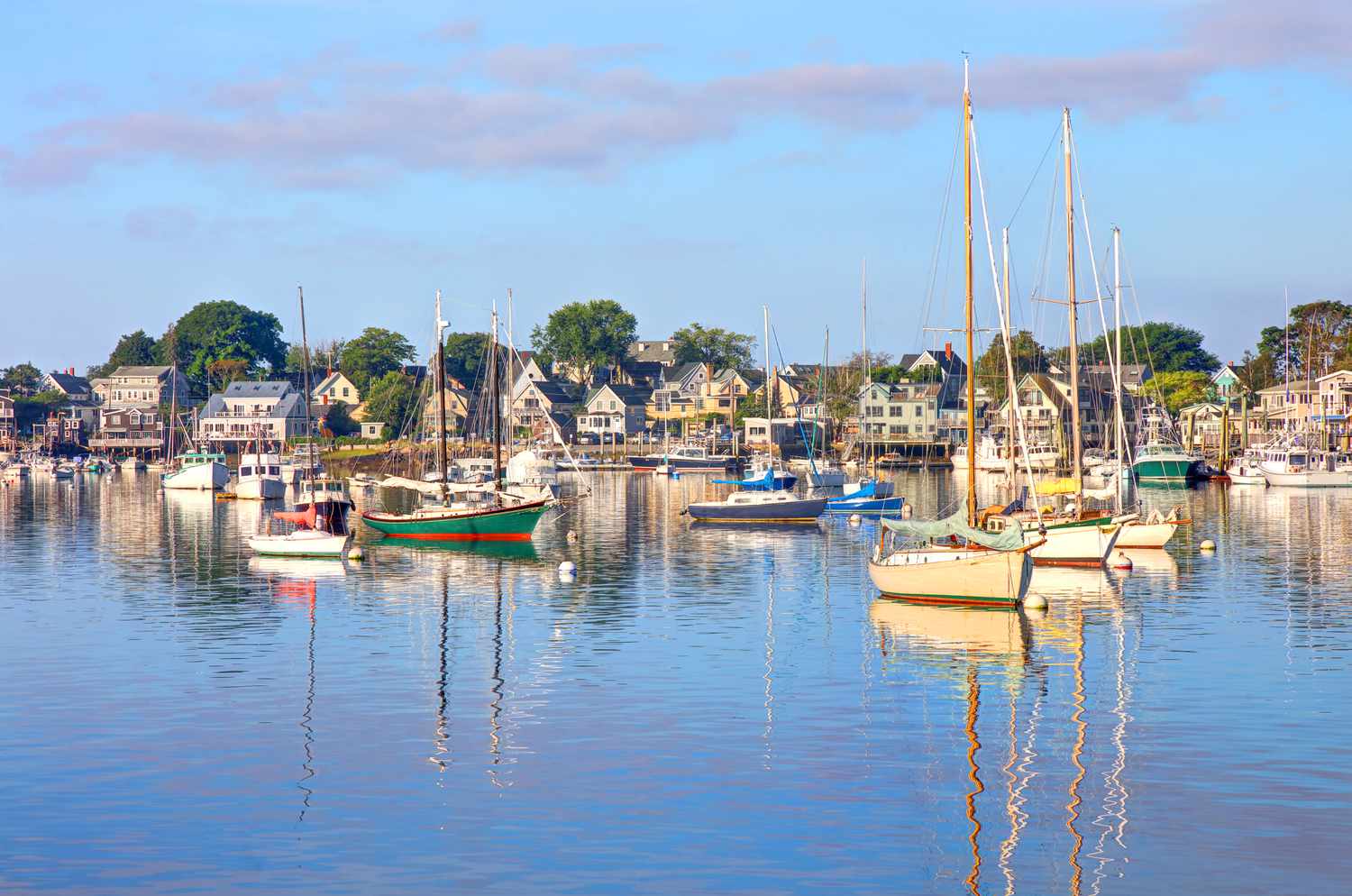
The Ultimate Gloucester Bucket List: 40+ Best Things to Do in 2026
Gloucester is a city defined by its relationship with the Atlantic. As the oldest fishing port in America, it carries a legacy of resilience and artistic inspiration that spans four centuries.…
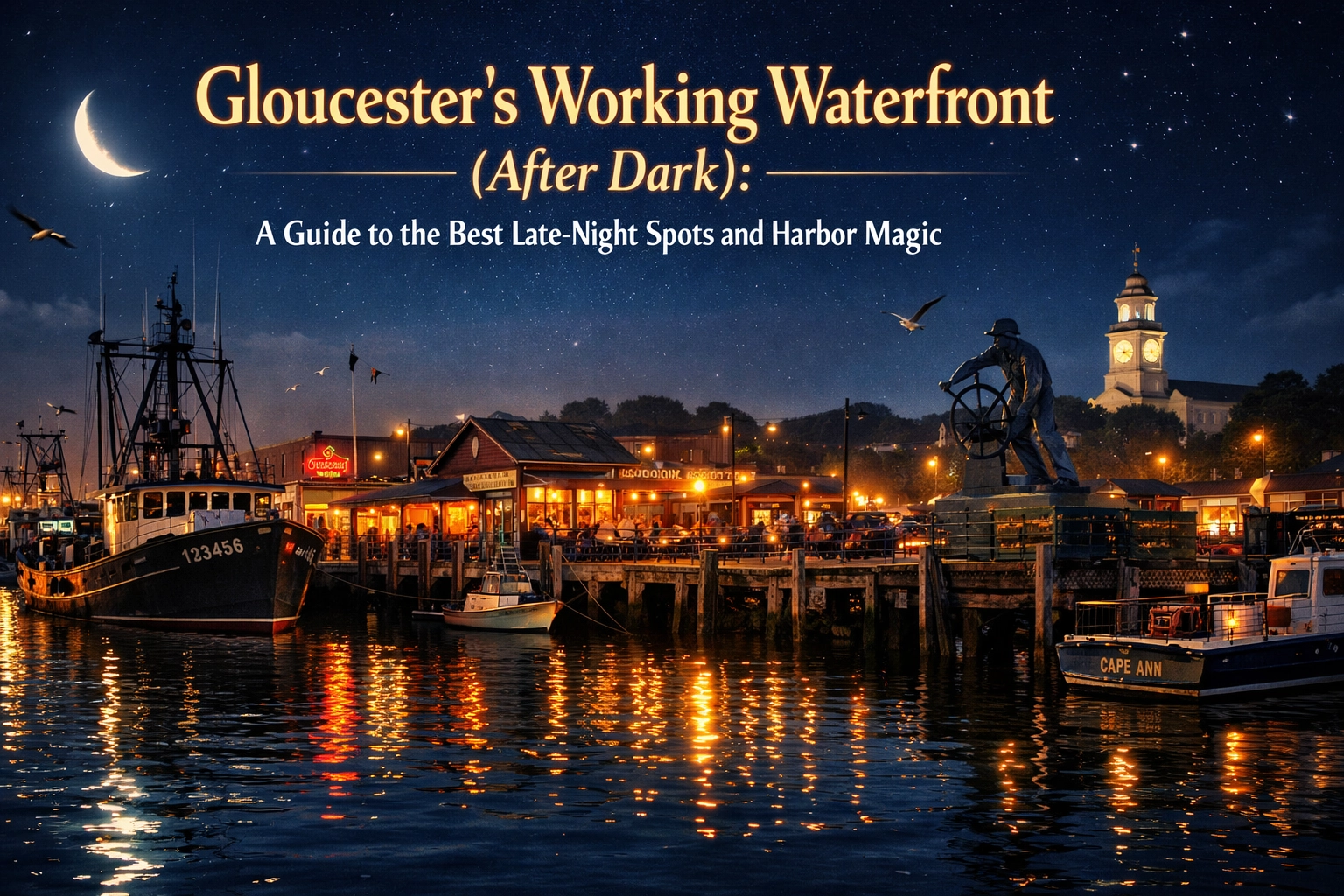
Gloucester’s Working Waterfront (After Dark): A Guide to the Best Late-Night Spots and Harbor Magic
When the sun begins its descent over the Western Avenue bridge, Gloucester undergoes a profound transformation. The industrial symphony of the day, characterized by the hum of diesel engines and the…

The Ultimate Guide to Art Galleries in Cape Ann: A Town-by-Town Tour
The light of Cape Ann has long been a siren song for the discerning traveler and the dedicated artist alike. It is a light that possesses a specific clarity, reflecting off…

Gloucester’s Hidden Gems: A Local’s Guide to the North Shore’s Best Kept Secrets
There is a specific kind of magic that settles over GLOUCESTER when the summer crowds begin to thin and the true character of the Atlantic coastline reveals itself. While many travelers…

Romantic Getaways on the Massachusetts Coast
There is a specific kind of magic: one found only where the rugged granite of the North Shore meets the deep blue of the Atlantic: that defines a truly sophisticated romantic…
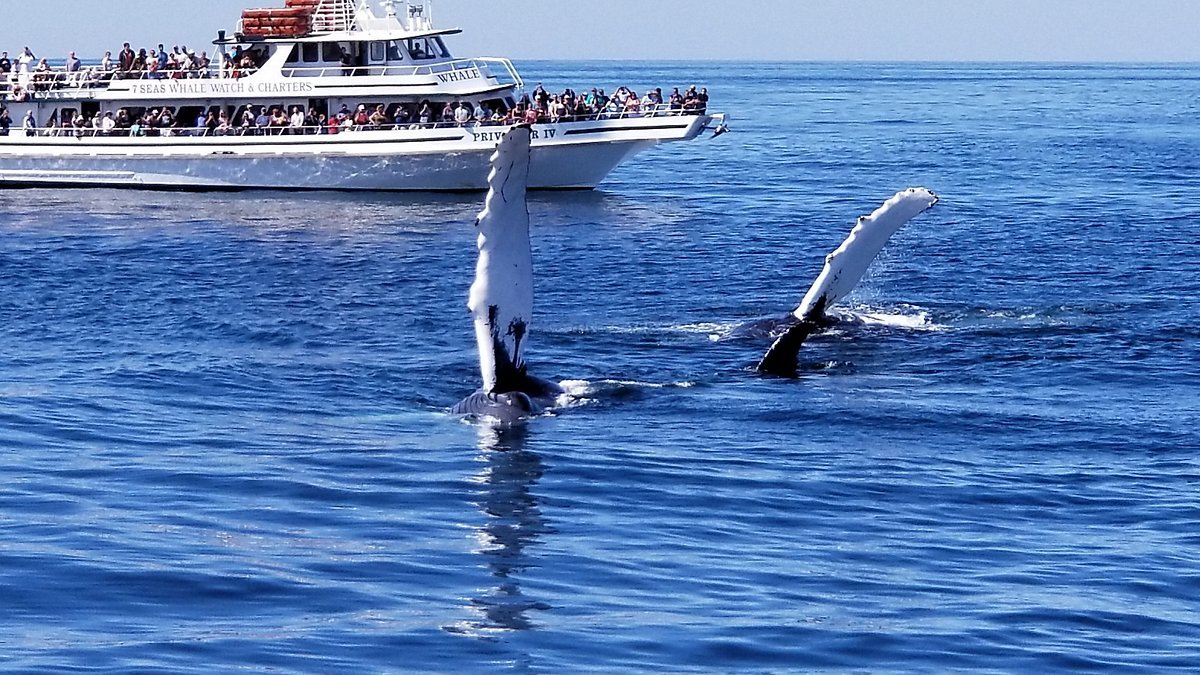
Gloucester Whale Watch: Complete Guide 2026
Learn about Gloucester Whale Watch. Comprehensive guide covering best practices and more.

Spring in Gloucester, MA: Why It’s the Best Time to Visit
**Spring in Gloucester, MA: Why It's the Best Time to Visit** is a question many travelers ponder as they plan their New England adventures. Known for its

Best neighborhoods near The Highliner Hotel Guide 2026
Learn about Best neighborhoods near The Highliner Hotel. Comprehensive guide covering best practices and more.


