
How Does a Cape Ann Whale Watch Support Local Marine Conservation Efforts?
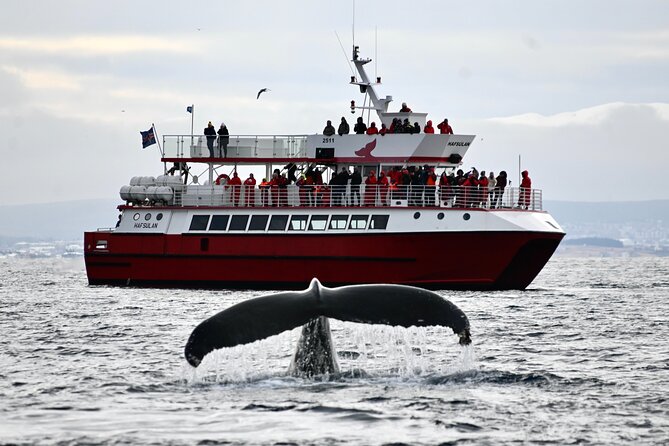
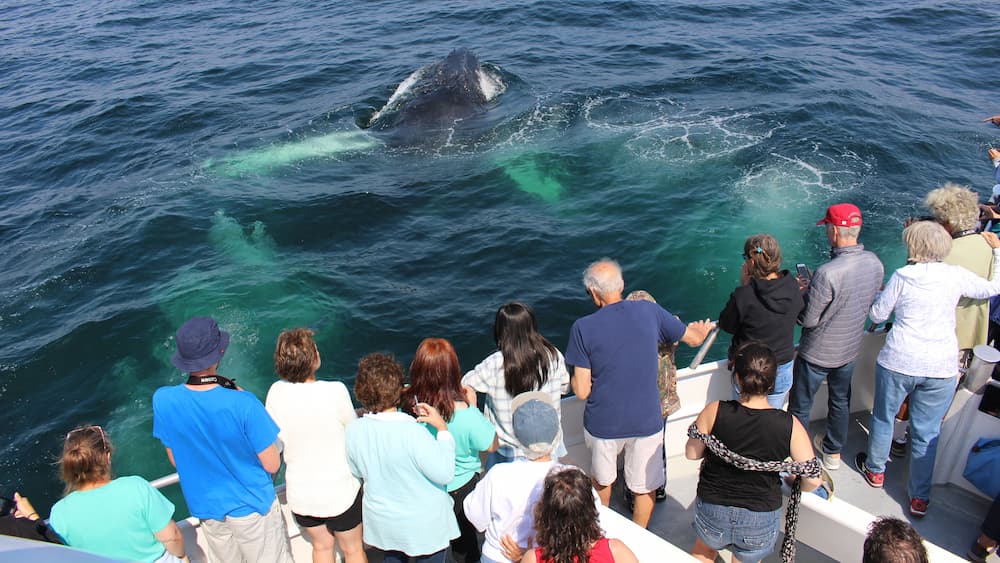
There’s something different about seeing a whale in real life. Not on YouTube. Not in some polished documentary with dramatic music. Out there on the water, off the rocky coast of Gloucester, when a humpback suddenly breaks the surface, everyone on the boat goes quiet for a second. It sticks with you.
That’s one reason people keep booking a Cape Ann Whale Watch every year. The excitement is obvious, sure. But what a lot of visitors don’t realize is that Cape Ann whale watching also plays a real role in protecting the ocean and the animals living in it. These tours aren’t just about sightseeing. Done right, they help fund conservation work, educate travelers, and keep attention on marine life that honestly needs it more than ever.
And in Gloucester, Massachusetts, where fishing and the ocean have shaped the city for generations, that connection feels personal.
Gloucester’s Deep Relationship With the Ocean
Gloucester isn’t some made-up tourist town trying to sell “coastal vibes.” The place has history. Real history. Fishing boats. Working harbors. Old brick buildings. Artists. Storm stories. Generations tied to the Atlantic.
You feel it walking through downtown or standing near the harbor early in the morning.
That’s part of why visitors looking for a Gloucester whale watch usually end up wanting more than just a quick boat ride. They stay longer. Explore the waterfront. Eat seafood that came in hours earlier. They slow down a bit.
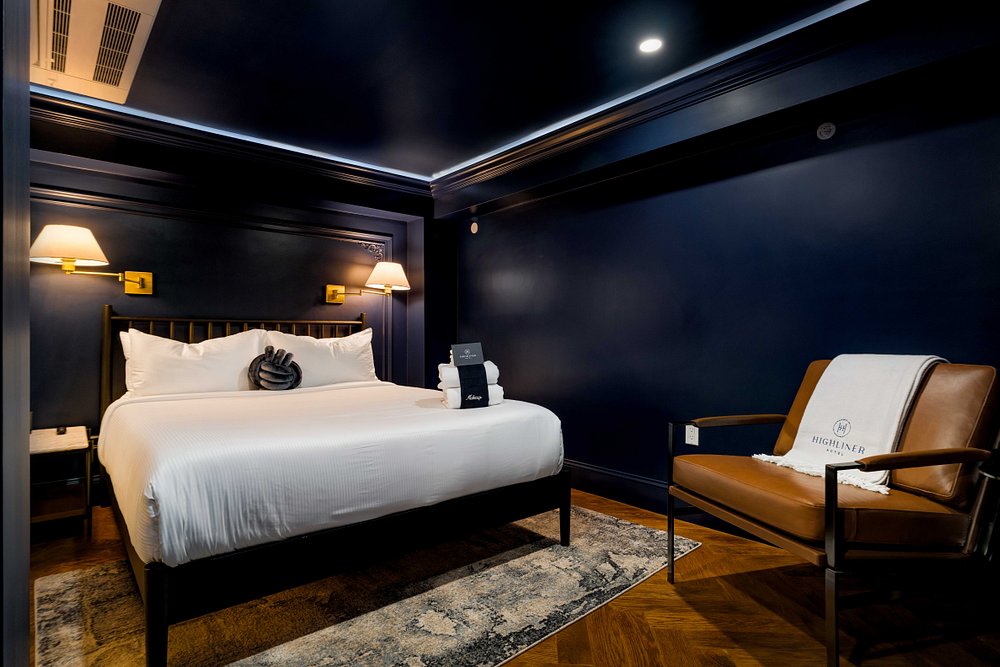
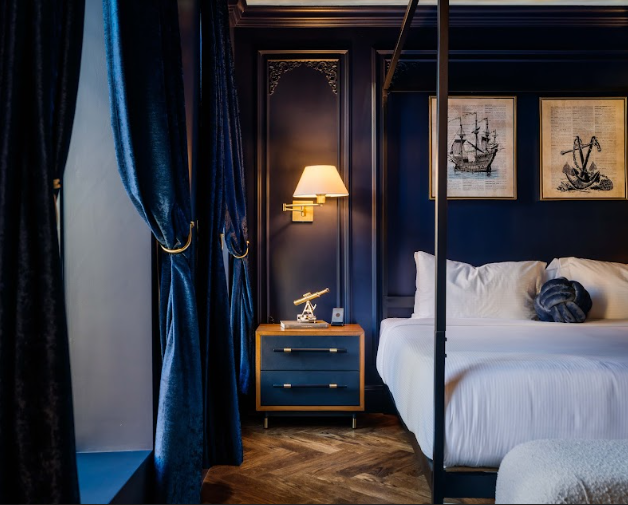
And honestly, staying somewhere with actual character makes the experience better, too. The Highliner Hotel sits right in downtown Gloucester, inside a restored historic building on Main Street. The building itself survived the aftermath of the Great Fire of Gloucester back in 1864 and has lived several lives since then art studios, boutiques, and creative spaces. Now it’s been reimagined into a boutique stay that still feels connected to the city around it, not separated from it.
That matters more than people think.
Whale Watching Creates Awareness Fast
A lot of marine conservation starts with one simple thing: people caring enough to pay attention.
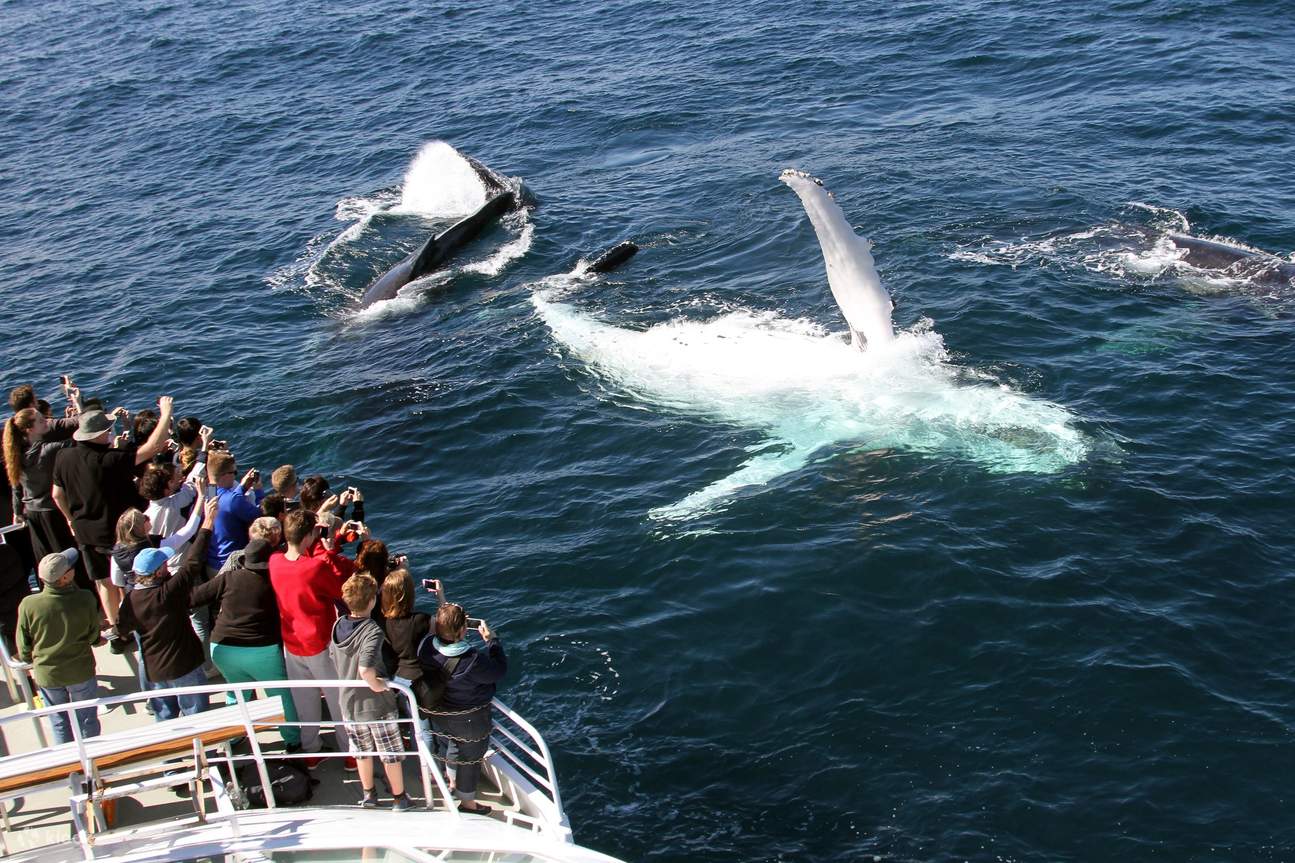
Reading about endangered whales online is one thing. Watching one surface ten feet from your boat is another. A completely different feeling.
Most Cape Ann whale watch Gloucester tours spend time explaining migration patterns, feeding habits, ocean pollution, fishing gear entanglement, and changing water temperatures. It’s not a classroom lecture. Nobody wants that on vacation. But when guides explain what’s happening while you’re actually seeing the animals in their habitat, people listen.
Kids especially remember it.
Someone goes home after a trip like that, and suddenly they care about plastic waste. Or ocean conservation laws. Or climate issues affecting marine life. That shift sounds small, but multiplied across thousands of visitors every season? It adds up.
Tourism Helps Fund Conservation Work
Whale watching has become one of the strongest non-consumptive ocean industries in New England. Meaning people enjoy marine wildlife without removing anything from the ecosystem.
That’s a pretty big shift from older coastal economies that depended entirely on harvesting from the ocean.
Now, to be clear, fishing is still a huge part of Gloucester’s identity. Always will be. But whale tourism brings another layer to the economy, and part of that revenue often supports conservation organizations, marine education programs, harbor preservation efforts, and research partnerships.
Some tour operators share sightings with researchers tracking whale populations. Others participate in responsible boating programs designed to reduce stress on marine mammals.
It’s not perfect. No tourism industry is. But compared to activities that damage ecosystems directly, responsible whale watching gives communities a reason to protect marine habitats instead of exploiting them.
That distinction matters.
Why Gloucester Is One of the Best Places for Whale Watching
The waters off Cape Ann are rich feeding grounds for whales because of Stellwagen Bank, a federally protected marine sanctuary nearby. Cold Atlantic currents and nutrient-rich waters attract massive amounts of fish and plankton, which brings the whales close to shore during feeding season.
That’s why Gloucester Whale Watch tours are so popular from spring through fall.
Humpbacks are common. Fin whales show up, too. Sometimes minke whales. Occasionally, dolphins everywhere around the boat like they own the place.
And unlike some crowded tourist destinations that feel overbuilt and fake, Gloucester still feels working-class and lived-in. A little rough around the edges in spots. Which honestly makes it better.
After a day on the water, people usually want somewhere comfortable without losing that local feel. That’s where The Highliner Hotel fits naturally into the trip.
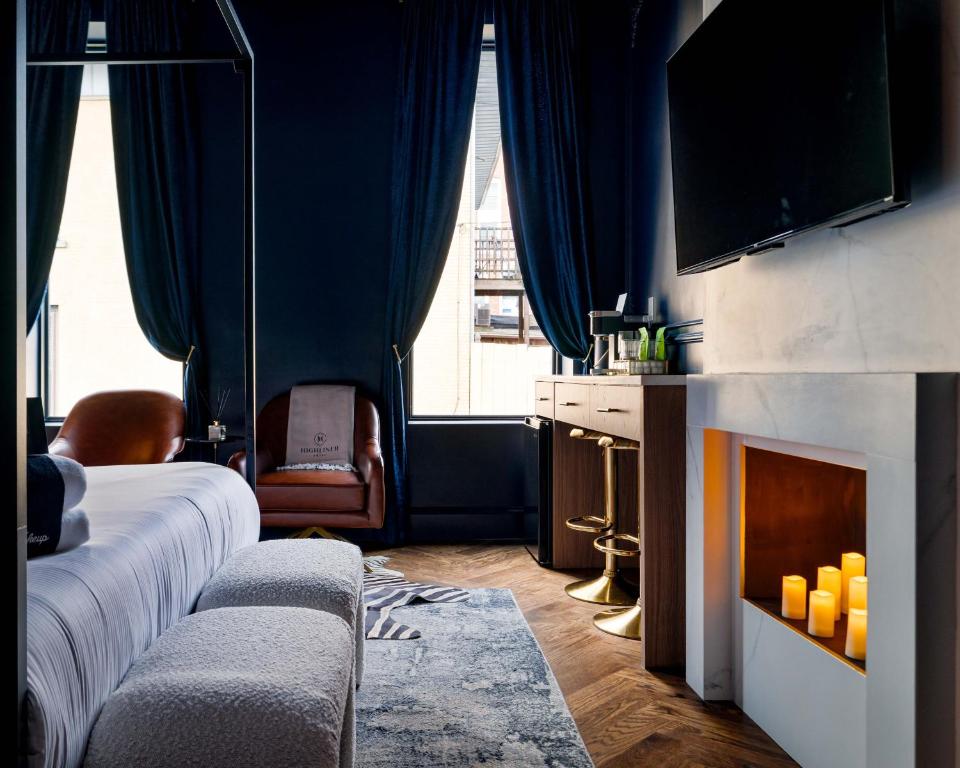
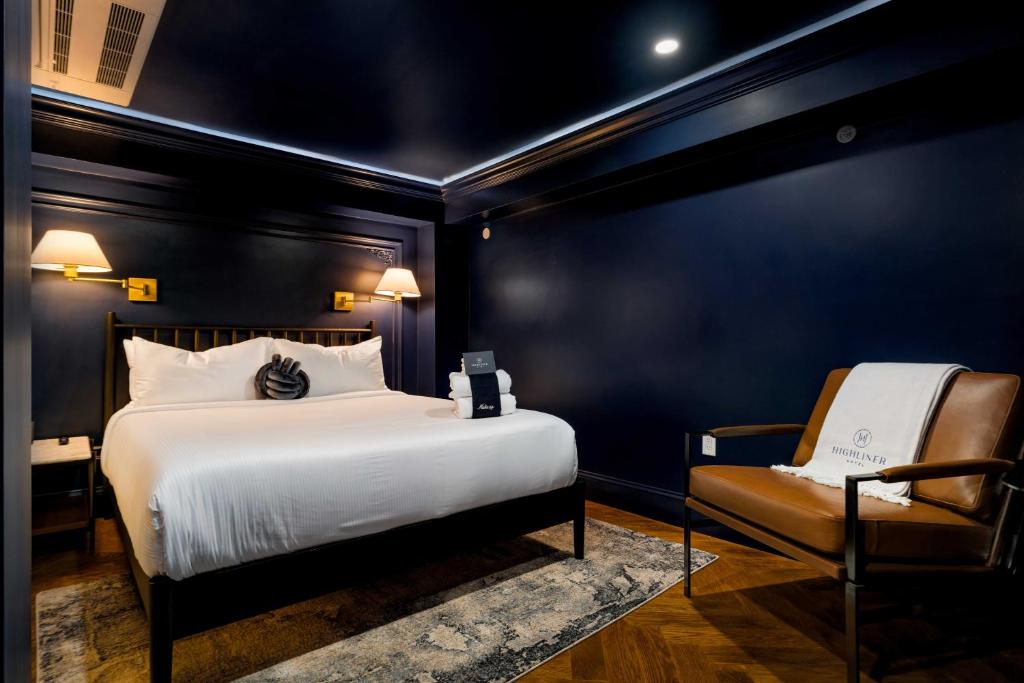
The hotel blends modern comfort with Gloucester’s old creative history instead of trying to erase it. Self-check-in keeps things easy. The concierge service helps guests find local seafood spots, day trips, harbor activities, and even Salem excursions if they want to branch out a little. And the hotel’s approach to reduced daily turnover services shows a genuine effort toward sustainability instead of just throwing around green marketing buzzwords.
Little things count.
Conservation Starts Local
People sometimes think marine conservation only happens through giant global organizations. But local communities matter just as much.
Places like Gloucester survive because the ocean survives.
Tourism tied to whales creates financial pressure to keep waters cleaner, protect marine habitats, and support sustainable policies. Local businesses benefit when visitors come for wildlife experiences. Hotels fill rooms. Restaurants stay busy. Harbor businesses stay active.
That economic cycle encourages preservation.
If marine ecosystems collapse, tourism disappears too. Everyone understands that.
And travelers are becoming more aware of it now. A lot of visitors specifically look for businesses that respect local history and environmental responsibility instead of giant chain experiences that could exist literally anywhere.
That’s one reason smaller boutique stays are getting more attention compared to standard hotel chains.
The Experience Feels More Personal Here
There’s something about Gloucester that feels less manufactured than bigger coastal destinations.
You can walk from the harbor to coffee shops, old buildings, seafood restaurants, and art galleries, and then back toward the water without feeling trapped inside a tourist machine. It still feels like a functioning town first.
That changes the whole mood of a whale watching trip.
Instead of rushing through a checklist vacation, visitors actually spend time in the area. They learn about the city. The fishing culture. Maritime history. The rebuilding after disasters like the 1864 fire. The artists and makers who shaped the downtown over the decades.
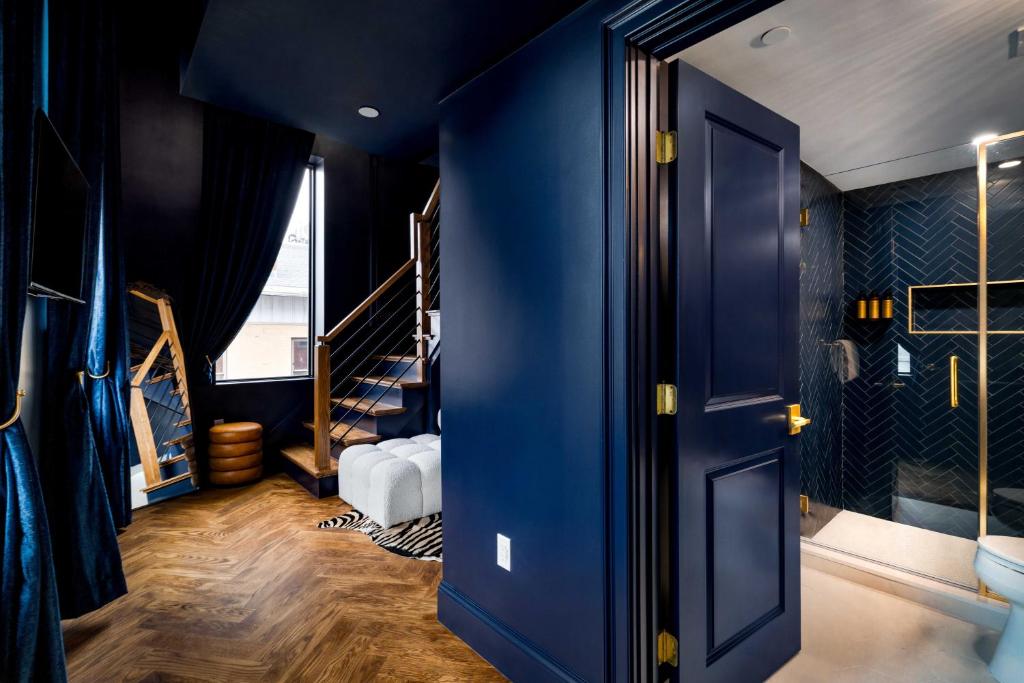
The Highliner Hotel reflects that same feeling. The building’s story is woven directly into Gloucester’s history, from creative studios to modern boutique hospitality. Staying there doesn’t feel disconnected from the city outside the window.
And honestly, after hours on the ocean, having a quiet, stylish room in the middle of downtown feels pretty great.
Responsible Whale Watching Matters
Not every whale watching operation is automatically eco-friendly. It depends on how the tours are run.
Responsible operators follow viewing distance guidelines, avoid chasing whales, reduce engine disruption when possible, and educate passengers about marine ecosystems instead of treating wildlife like entertainment props.
That’s important because stress from boats can affect whale behavior if handled poorly.
Cape Ann whale watching companies generally operate under strict federal protections around marine mammals, and many guides genuinely care about the animals they work with daily. You can usually tell pretty quickly when a crew respects the environment versus just cashing in on tourism.
Visitors notice that too.
The best tours leave people excited but also more aware of how fragile the ocean really is.
A Trip That Actually Leaves Something Behind
Some vacations disappear from memory fast. A couple of photos and an expensive dinner.
Whale watching tends to stay with people longer.
Maybe it’s because whales feel ancient and massive and strangely calm all at once. Maybe it’s the open Atlantic air. Or maybe it’s just seeing wildlife completely outside human control for a while.
Either way, trips centered around marine experiences often create stronger emotional connections to conservation than statistics ever could.
That’s part of why Cape Ann whale watching continues growing year after year. People want experiences that feel real now. Less artificial. Less packaged.
Gloucester gives them that.
And staying somewhere rooted in the city’s actual history makes the experience feel complete instead of generic.
If you’re planning a whale watching trip this season, The Highliner Hotel offers a stay that feels connected to Gloucester itself, historic, creative, comfortable, and close to everything that makes Cape Ann worth visiting in the first place.
suggested articles
How Do You Evaluate Reviews Before Booking Places to Stay in Gloucester, MA?
Most people book hotels too fast. A few nice photos, a high rating, and suddenly the reservation feels locked in emotionally. Then the trip starts. Parking feels impossible. Walls sound paper-thin.…
How Can You Book Last-Minute Deals for Gloucester, MA Hotels on the Water?
Weekend trips to Gloucester usually start the same way. Someone checks hotel prices too late, sees expensive waterfront rooms, and assumes every good stay is already gone. That happens often during…
The Gloucester Seafood Guide: Where to Taste the Real Catch of Cape Ann
As America’s oldest fishing port, Gloucester has been pulling dinner straight from the Atlantic for four centuries. That heritage shows up on the plate: here, “fresh catch” is not a marketing…
Wingaersheek Beach, MA: Insider Tips for a Perfect Day in Gloucester
There’s a reason people keep coming back to Wingaersheek Beach, MA, year after year. The soft sand, calm water, incredible sunsets, and those famous sandbars make it one of the most…
What Amenities Guests Really Want at Gloucester By The Sea Hotels Gloucester MA
When people start looking for a place to stay on the Massachusetts coast, they usually have a simple goal. They want a clean room, a comfortable bed, and a location that…
How Does Cape Ann Whale Watch Create Emotional Wildlife Moments?
There are plenty of things you can plan for on a vacation. You can book the hotel. Pick the restaurants. Map out the beaches. Maybe even decide which museums or shops…
How Can You Find Oceanfront Hotels in Gloucester MA with the Best Views?
There’s something different about waking up near the ocean in Gloucester. The air smells salty before you even step outside. Seagulls are already loud by sunrise. Fishing boats move slowly through…

How Can You Enjoy Ocean Views from the Best Hotels in Gloucester MA on the Beach?
There’s something about waking up near the ocean that just resets your brain a little. Maybe it’s the sound of waves outside the window. Maybe it’s salty air sneaking through the…
How Do You Plan the Perfect Day Trip to Wingaersheek Beach, MA?
There’s something about Gloucester that feels different the second you get there. Slower. Saltier. Less polished in a good way. People aren’t trying too hard. The ocean does most of the…
Tips You Should Know Before Booking Gloucester By The Sea Motel?
Planning a coastal trip sounds easy until you actually start booking things. One minute you’re searching for beaches and seafood spots, the next minute you’re stuck comparing ten different motels in…
The Ultimate Gloucester Bucket List: 40+ Best Things to Do in 2026
Gloucester is a city defined by its relationship with the Atlantic. As the oldest fishing port in America, it carries a legacy of resilience and artistic inspiration that spans four centuries.…
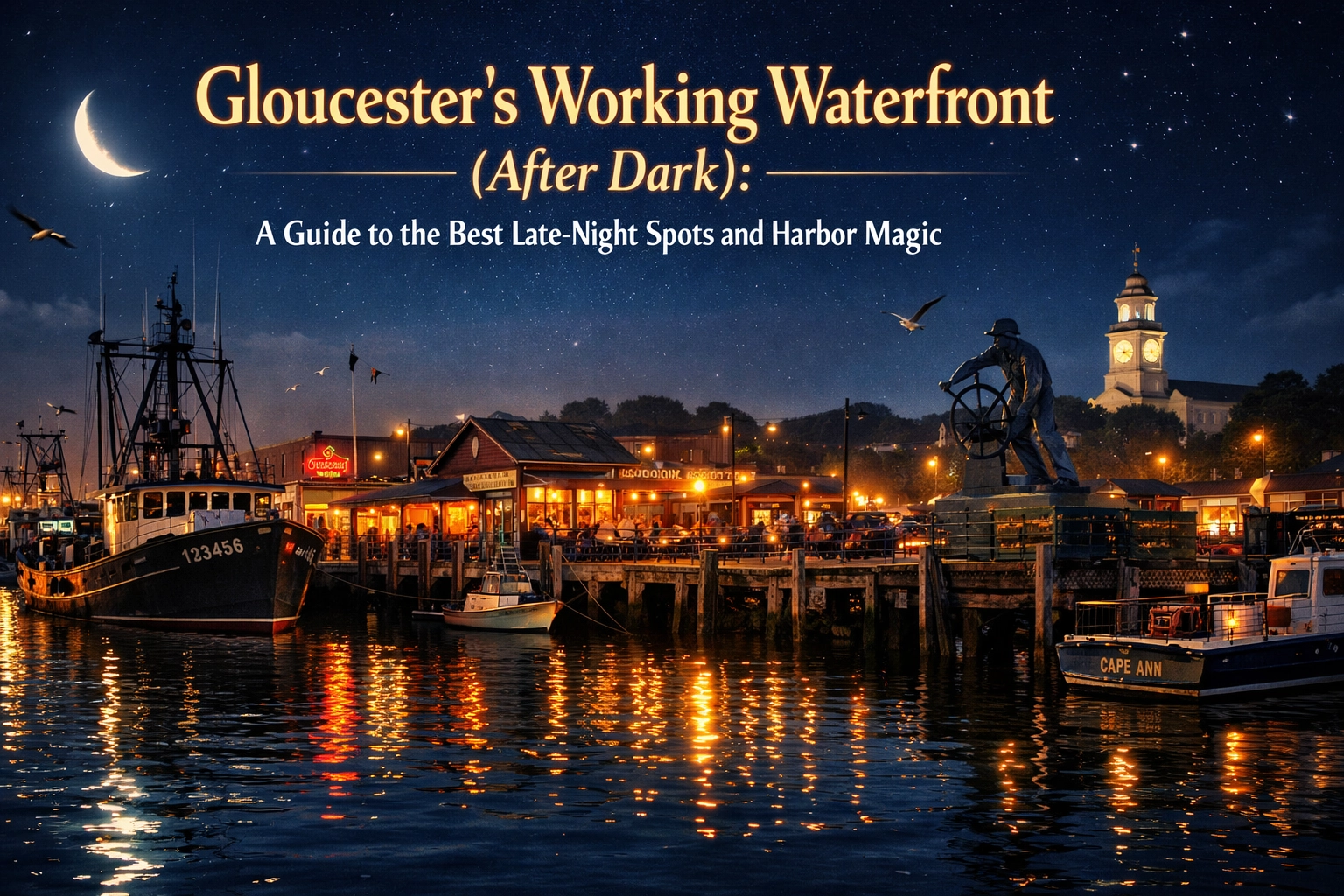
Gloucester’s Working Waterfront (After Dark): A Guide to the Best Late-Night Spots and Harbor Magic
When the sun begins its descent over the Western Avenue bridge, Gloucester undergoes a profound transformation. The industrial symphony of the day, characterized by the hum of diesel engines and the…
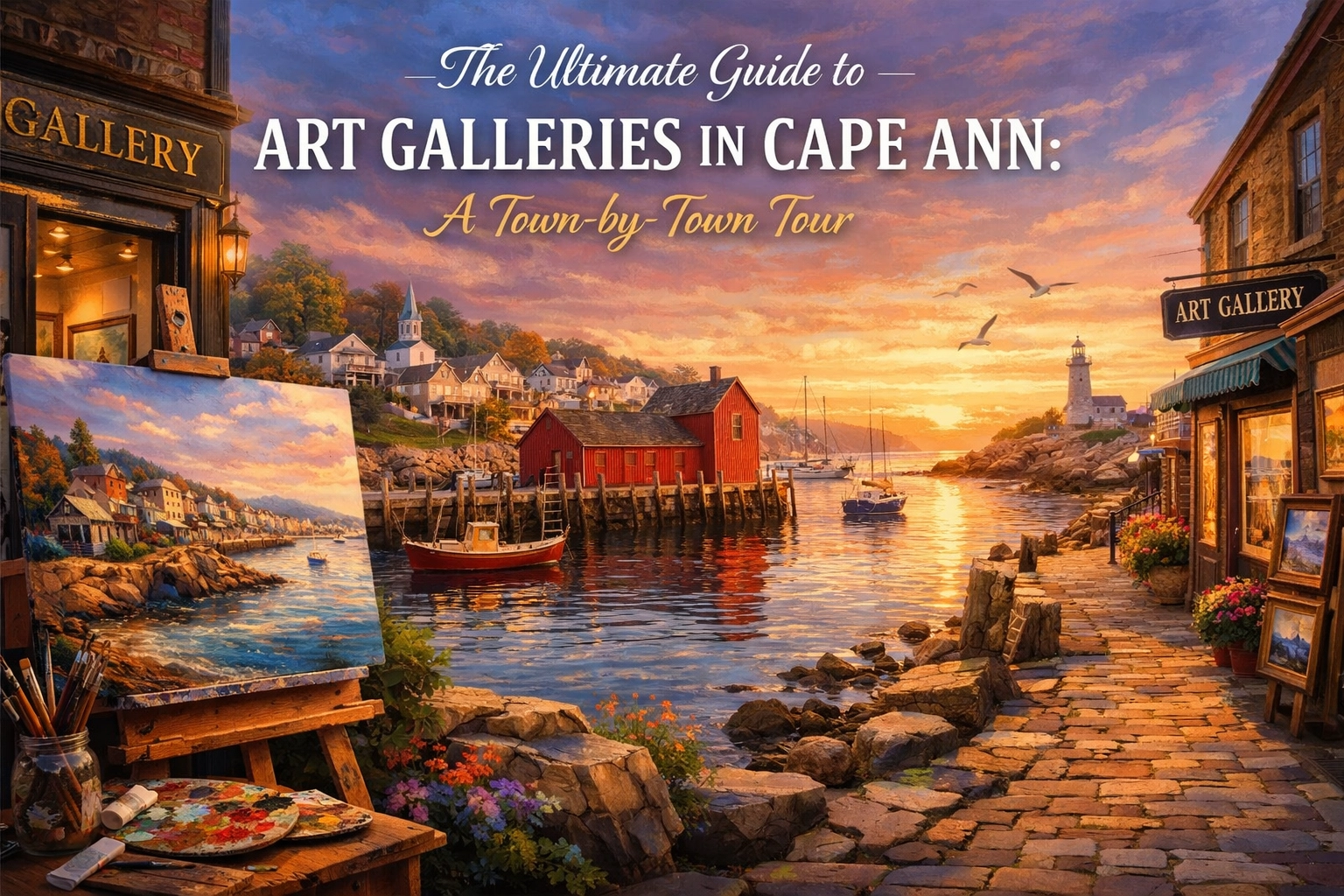
The Ultimate Guide to Art Galleries in Cape Ann: A Town-by-Town Tour
The light of Cape Ann has long been a siren song for the discerning traveler and the dedicated artist alike. It is a light that possesses a specific clarity, reflecting off…

Gloucester’s Hidden Gems: A Local’s Guide to the North Shore’s Best Kept Secrets
There is a specific kind of magic that settles over GLOUCESTER when the summer crowds begin to thin and the true character of the Atlantic coastline reveals itself. While many travelers…

Romantic Getaways on the Massachusetts Coast
There is a specific kind of magic: one found only where the rugged granite of the North Shore meets the deep blue of the Atlantic: that defines a truly sophisticated romantic…
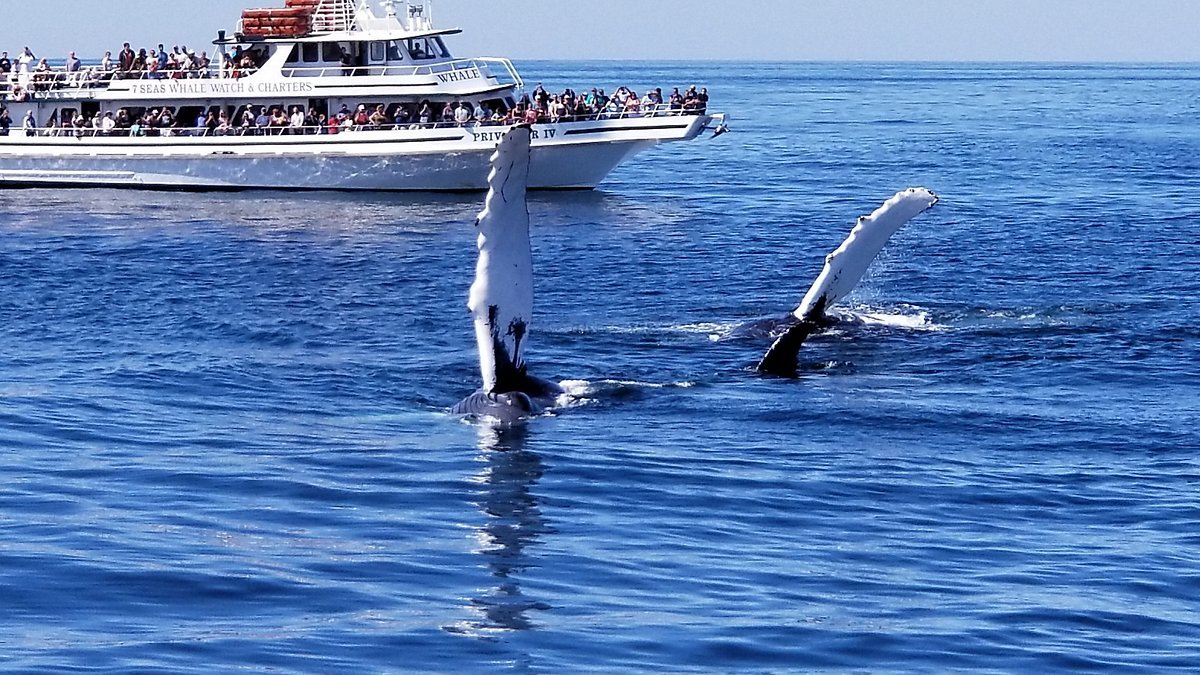
Gloucester Whale Watch: Complete Guide 2026
Learn about Gloucester Whale Watch. Comprehensive guide covering best practices and more.

Spring in Gloucester, MA: Why It’s the Best Time to Visit
**Spring in Gloucester, MA: Why It's the Best Time to Visit** is a question many travelers ponder as they plan their New England adventures. Known for its
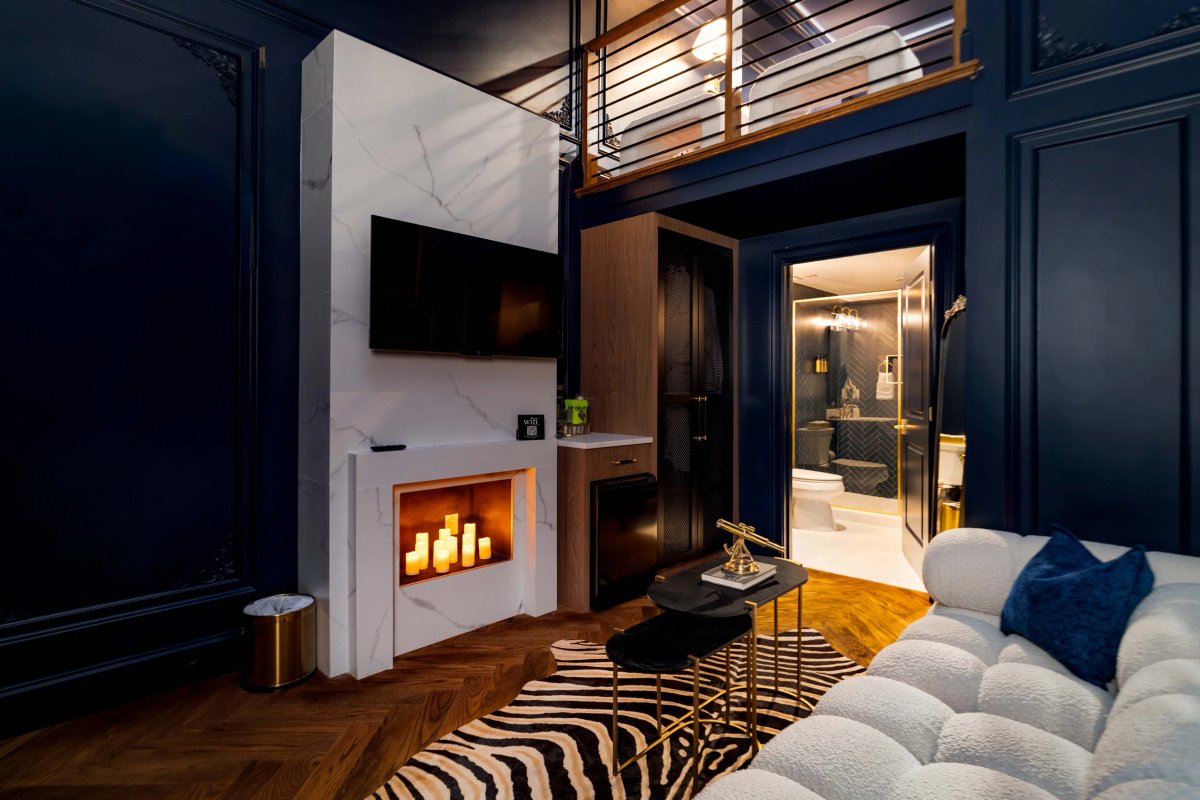
Best neighborhoods near The Highliner Hotel Guide 2026
Learn about Best neighborhoods near The Highliner Hotel. Comprehensive guide covering best practices and more.


