
Gloucester Whale Watch: Complete Guide 2026
For visitors exploring coastal Massachusetts, understanding Gloucester Whale Watch helps you maximize your time in one of New England’s most scenic destinations. Travelers often miss hidden gems by not knowing where to look or how to plan their itinerary.
Gloucester offers world-class beaches, whale watching, and cultural attractions—all accessible from The Highliner Hotel’s central Main Street location. This 2026 guide provides insider knowledge to help you experience the best the area has to offer.
What is Gloucester Whale Watch
What is Gloucester Whale Watch represents an important consideration for anyone planning time in Gloucester or staying at The Highliner Hotel. Understanding the nuances of this topic helps travelers make informed decisions and set appropriate expectations.
The coastal setting of Gloucester creates a context unlike inland destinations. Weather patterns, tidal schedules, and seasonal rhythms all influence the visitor experience. Rather than fighting these natural factors, savvy travelers learn to work with them—discovering that foggy mornings lead to dramatic afternoon light, that off-season visits offer their own rewards, and that slowing down reveals pleasures invisible to those rushing through.
The Highliner Hotel’s approach to gloucester whale watch reflects broader values of quality, authenticity, and thoughtful hospitality. Rather than trying to be everything to everyone, the focus remains on doing specific things exceptionally well. This philosophy extends from accommodation design to guest services to recommendations for exploring the area.
For travelers who appreciate genuine character over manufactured perfection, who value personal attention over endless amenities, and who seek experiences rather than simply checking boxes—understanding gloucester whale watch helps set the foundation for a memorable visit.
The practical implications vary depending on your specific plans and priorities. Contact the hotel directly for personalized guidance on how gloucester whale watch might affect your particular visit.
Key Benefits of Gloucester Whale Watch
Key Benefits of Gloucester Whale Watch represents an important consideration for anyone planning time in Gloucester or staying at The Highliner Hotel. Understanding the nuances of this topic helps travelers make informed decisions and set appropriate expectations.
The coastal setting of Gloucester creates a context unlike inland destinations. Weather patterns, tidal schedules, and seasonal rhythms all influence the visitor experience. Rather than fighting these natural factors, savvy travelers learn to work with them—discovering that foggy mornings lead to dramatic afternoon light, that off-season visits offer their own rewards, and that slowing down reveals pleasures invisible to those rushing through.
The Highliner Hotel’s approach to gloucester whale watch reflects broader values of quality, authenticity, and thoughtful hospitality. Rather than trying to be everything to everyone, the focus remains on doing specific things exceptionally well. This philosophy extends from accommodation design to guest services to recommendations for exploring the area.
For travelers who appreciate genuine character over manufactured perfection, who value personal attention over endless amenities, and who seek experiences rather than simply checking boxes—understanding gloucester whale watch helps set the foundation for a memorable visit.
The practical implications vary depending on your specific plans and priorities. Contact the hotel directly for personalized guidance on how gloucester whale watch might affect your particular visit.
How Gloucester Whale Watch Works
How Gloucester Whale Watch Works represents an important consideration for anyone planning time in Gloucester or staying at The Highliner Hotel. Understanding the nuances of this topic helps travelers make informed decisions and set appropriate expectations.
The coastal setting of Gloucester creates a context unlike inland destinations. Weather patterns, tidal schedules, and seasonal rhythms all influence the visitor experience. Rather than fighting these natural factors, savvy travelers learn to work with them—discovering that foggy mornings lead to dramatic afternoon light, that off-season visits offer their own rewards, and that slowing down reveals pleasures invisible to those rushing through.
The Highliner Hotel’s approach to gloucester whale watch reflects broader values of quality, authenticity, and thoughtful hospitality. Rather than trying to be everything to everyone, the focus remains on doing specific things exceptionally well. This philosophy extends from accommodation design to guest services to recommendations for exploring the area.
For travelers who appreciate genuine character over manufactured perfection, who value personal attention over endless amenities, and who seek experiences rather than simply checking boxes—understanding gloucester whale watch helps set the foundation for a memorable visit.
The practical implications vary depending on your specific plans and priorities. Contact the hotel directly for personalized guidance on how gloucester whale watch might affect your particular visit.
Getting Started with Gloucester Whale Watch
Getting Started with Gloucester Whale Watch represents an important consideration for anyone planning time in Gloucester or staying at The Highliner Hotel. Understanding the nuances of this topic helps travelers make informed decisions and set appropriate expectations.
The coastal setting of Gloucester creates a context unlike inland destinations. Weather patterns, tidal schedules, and seasonal rhythms all influence the visitor experience. Rather than fighting these natural factors, savvy travelers learn to work with them—discovering that foggy mornings lead to dramatic afternoon light, that off-season visits offer their own rewards, and that slowing down reveals pleasures invisible to those rushing through.
The Highliner Hotel’s approach to gloucester whale watch reflects broader values of quality, authenticity, and thoughtful hospitality. Rather than trying to be everything to everyone, the focus remains on doing specific things exceptionally well. This philosophy extends from accommodation design to guest services to recommendations for exploring the area.
For travelers who appreciate genuine character over manufactured perfection, who value personal attention over endless amenities, and who seek experiences rather than simply checking boxes—understanding gloucester whale watch helps set the foundation for a memorable visit.
The practical implications vary depending on your specific plans and priorities. Contact the hotel directly for personalized guidance on how gloucester whale watch might affect your particular visit.
Best Practices for Gloucester Whale Watch
Maximizing your experience at The Highliner Hotel and throughout Gloucester benefits from local knowledge and practical strategies. These recommendations come from observing what helps guests have the most satisfying stays.
Timing Matters: Arrive with enough time to settle in before pursuing activities. Rushing from travel directly to a packed schedule creates stress rather than relaxation. Consider arriving by early afternoon on your first day, allowing time to unpack, walk the neighborhood, and ease into vacation mode.
Embrace Flexibility: Weather along the coast can shift unpredictably. Keep backup plans for outdoor activities, and remember that foggy mornings often clear to spectacular afternoons. Some guests find unexpected weather leads to discoveries—a rainy morning might be perfect for exploring the Cape Ann Museum or browsing Main Street shops.
Engage Locally: Ask hotel staff for recommendations. We know which restaurants have the freshest catch, which beaches feel less crowded, and which events might interest you. Local knowledge transforms a good trip into a great one.
Slow Down: The most common regret from Gloucester visitors is trying to pack too much into limited time. This area rewards leisurely exploration. Allow time for unexpected discoveries—a conversation with an artist, a spectacular sunset, a perfect meal that extends longer than planned.
Capture Memories: Whether through photographs, a travel journal, or collected mementos, document your experience. The details that seem unforgettable in the moment can blur over time. Your future self will appreciate having tangible reminders of your coastal retreat.
Key Takeaways
The essential insights from understanding Gloucester Whale Watch come down to several core principles that will serve you well during planning and throughout your visit.
Location Matters: The Highliner Hotel’s position at 108 Main Street places you at the heart of Gloucester’s walkable downtown while providing easy access to beaches, whale watching, and other attractions. This central location eliminates the isolation common to resort properties while maintaining a peaceful retreat atmosphere.
Quality Over Quantity: Boutique hospitality focuses on doing fewer things exceptionally well rather than offering endless amenities. The thoughtfully designed accommodations, personalized service, and genuine coastal character create experiences that generic hotels cannot replicate.
Planning Enhances Experience: While spontaneity has its place, advance planning ensures availability for popular activities, restaurants, and special experiences. This is particularly true during summer peak season and for events like weddings or corporate retreats.
Authenticity Has Value: Gloucester offers something increasingly rare—a genuine coastal community with working character rather than manufactured charm. Travelers who appreciate authenticity over artificial perfection find this distinction deeply satisfying.
Time Investment Returns: The more time you allow for your visit, the more you’ll discover and appreciate. Rushing through Gloucester means missing the subtle pleasures that make this destination special—the changing light on the harbor, the conversations with locals, the unexpected discoveries down side streets.
Frequently Asked Questions
What is the best way to experience Gloucester Whale Watch?
This is an excellent question that many visitors to Gloucester ask. The answer often depends on your specific circumstances, preferences, and travel goals. The Highliner Hotel team is happy to provide personalized guidance based on your situation. Contact us at reservations@thehighlinerhotel.com or call directly to discuss your plans. Our local knowledge helps guests discover exactly what they’re looking for in their coastal New England experience.
How do I plan for Gloucester Whale Watch in 2026?
The best way to book your stay at The Highliner Hotel is directly through our website at www.thehighlinerhotel.com, which displays real-time availability and current rates. For 2026, we recommend booking summer dates 2-3 months in advance, particularly for weekend stays. Direct booking ensures you receive the most accurate information and allows our team to note any special requests. For questions or custom arrangements, contact reservations@thehighlinerhotel.com.
What should I know before Gloucester Whale Watch?
This is an excellent question that many visitors to Gloucester ask. The answer often depends on your specific circumstances, preferences, and travel goals. The Highliner Hotel team is happy to provide personalized guidance based on your situation. Contact us at reservations@thehighlinerhotel.com or call directly to discuss your plans. Our local knowledge helps guests discover exactly what they’re looking for in their coastal New England experience.
Is Gloucester Whale Watch worth it for first-time visitors?
First-time visitors to Gloucester should plan for a minimum of two nights to experience the area’s highlights without rushing. Start with a Main Street stroll to orient yourself, then dedicate time to at least one beach, a whale watching tour (seasonal), and exploring the artistic Rocky Neck neighborhood. Allow flexible time for unexpected discoveries—the morning fog lifting over the harbor, a conversation with a local artist, or finding the perfect seafood spot for dinner.
What are the most popular options for Gloucester Whale Watch?
This is an excellent question that many visitors to Gloucester ask. The answer often depends on your specific circumstances, preferences, and travel goals. The Highliner Hotel team is happy to provide personalized guidance based on your situation. Contact us at reservations@thehighlinerhotel.com or call directly to discuss your plans. Our local knowledge helps guests discover exactly what they’re looking for in their coastal New England experience.
Conclusion
Key Takeaways:
- Gloucester Whale Watch offers unique opportunities for an enhanced Gloucester experience
- The Highliner Hotel provides boutique accommodations in the heart of historic Main Street
- Coastal sophistication meets authentic New England charm
- Plan your 2026 visit to experience the best the area offers
Ready to experience The Highliner Hotel? Book your stay at www.thehighlinerhotel.com or contact reservations@thehighlinerhotel.com.
Planning your visit? See our guide to where to stay in Gloucester, MA and book direct for the best rate.
suggested articles

Cape Ann in the Fall: A Gloucester Guide
Everyone knows Cape Ann in summer. Fewer people know its secret: fall might be the best time of all. The crowds thin, the light turns gold over the harbor, and Gloucester…

Gloucester After Labor Day: What’s Still Open in the Fall
The most common thing we hear in September: “I assumed everything closed after Labor Day.” It doesn’t. Here is what is actually open on Cape Ann in the fall — and…
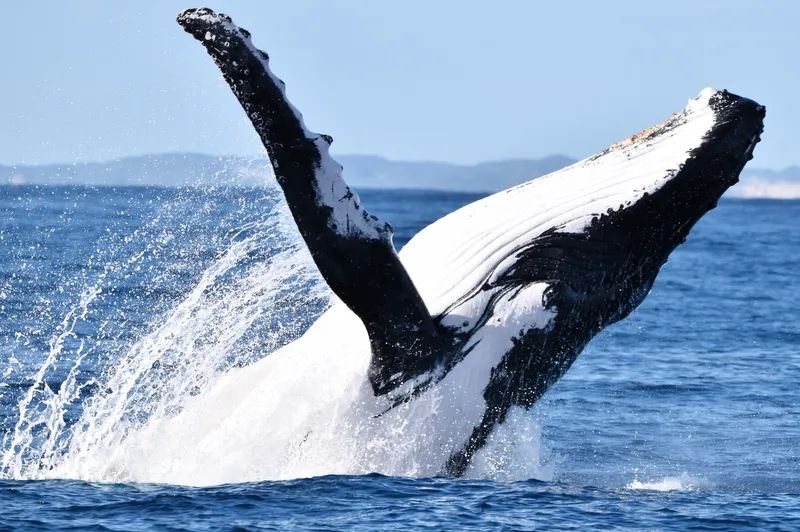
What Makes Cape Ann Whale Watch an Unforgettable Ocean Journey?
You know that feeling when the boat leaves the dock, and the land starts shrinking? That’s usually when it hits. The air changes. Everything gets quieter except the engine and the…
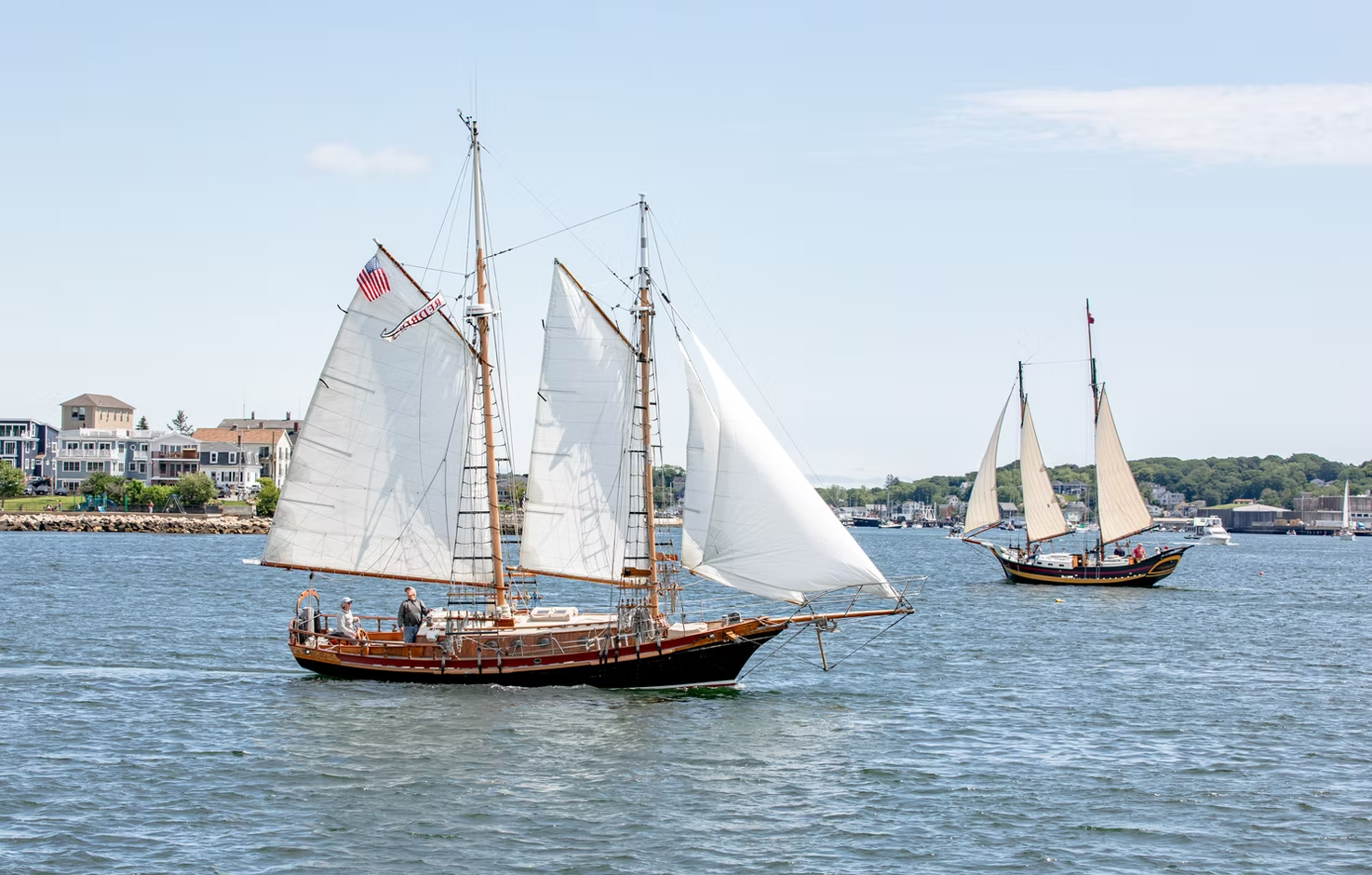
Gloucester Schooner Festival 2026: The Complete Guide
Every year, as summer begins to soften into fall, Gloucester Harbor fills with towering masts and billowing canvas for one unforgettable weekend. The Gloucester Schooner Festival is the North Shore’s greatest…

The Gloucester Seafood Guide: Where to Taste the Real Catch of Cape Ann
As America’s oldest fishing port, Gloucester has been pulling dinner straight from the Atlantic for four centuries. That heritage shows up on the plate: here, “fresh catch” is not a marketing…

How Do You Plan the Perfect Day Trip to Wingaersheek Beach, MA?
There’s something about Gloucester that feels different the second you get there. Slower. Saltier. Less polished in a good way. People aren’t trying too hard. The ocean does most of the…
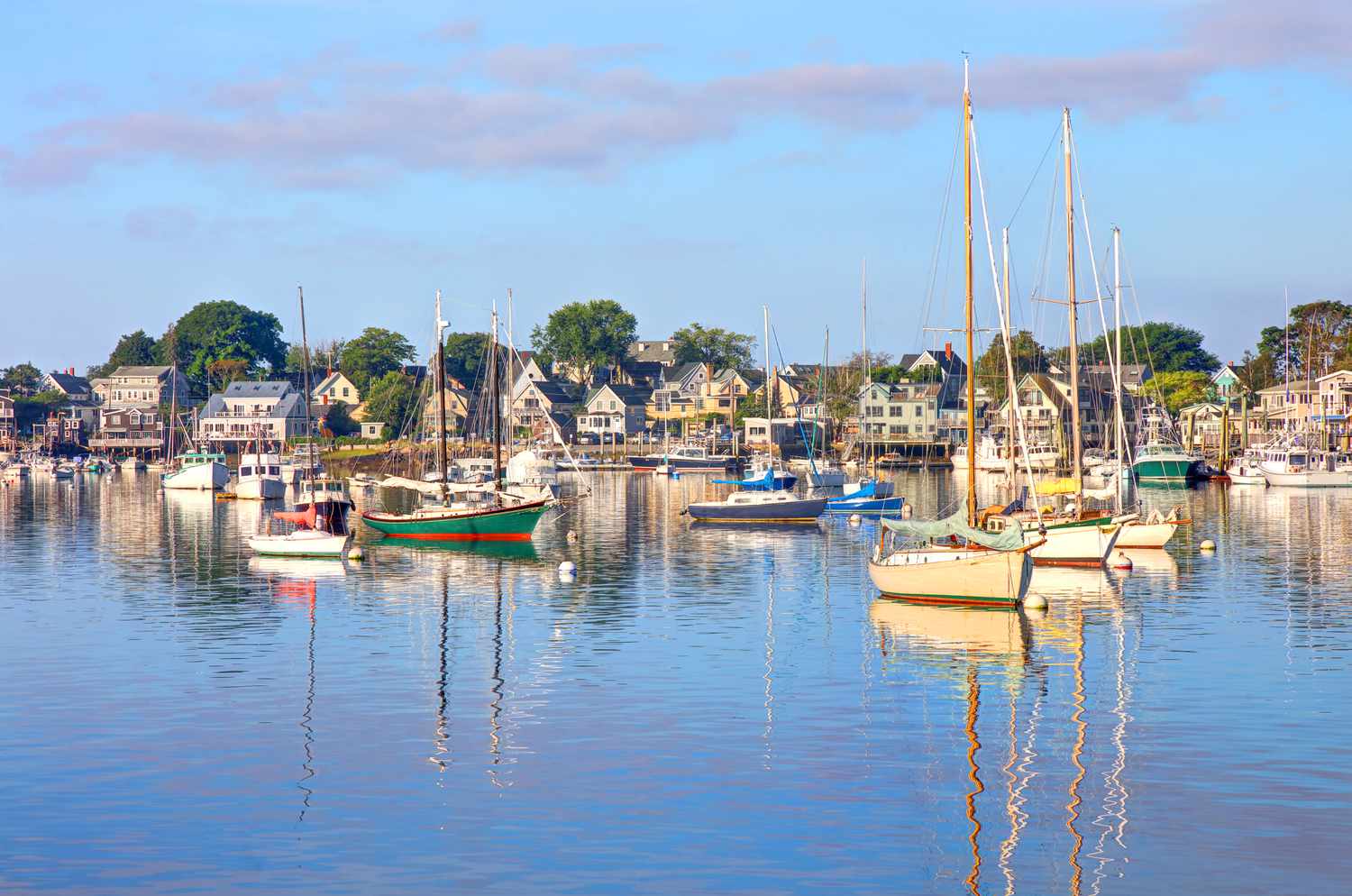
The Ultimate Gloucester Bucket List: 40+ Best Things to Do in 2026
Gloucester is a city defined by its relationship with the Atlantic. As the oldest fishing port in America, it carries a legacy of resilience and artistic inspiration that spans four centuries.…
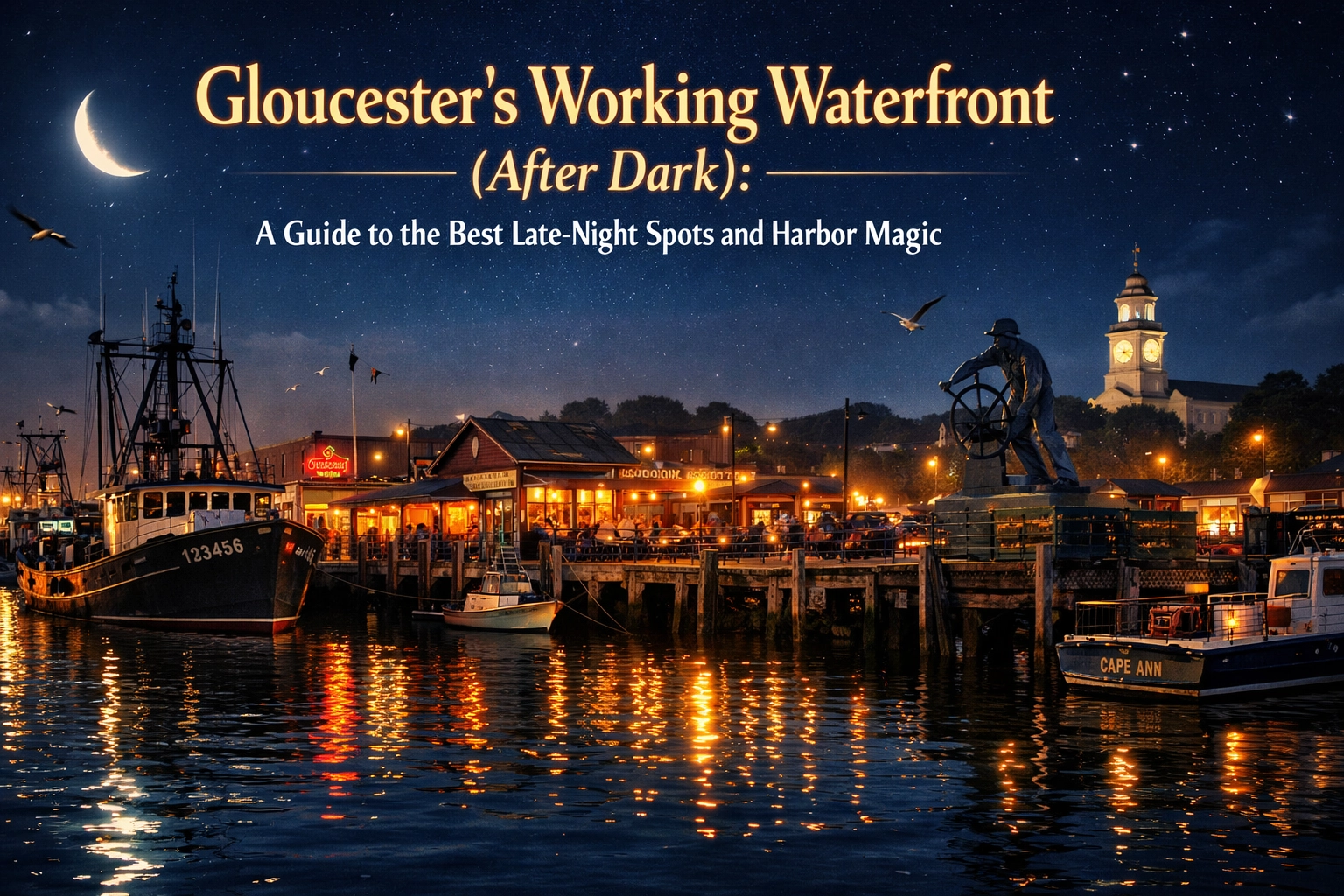
Gloucester’s Working Waterfront (After Dark): A Guide to the Best Late-Night Spots and Harbor Magic
When the sun begins its descent over the Western Avenue bridge, Gloucester undergoes a profound transformation. The industrial symphony of the day, characterized by the hum of diesel engines and the…

The Ultimate Guide to Art Galleries in Cape Ann: A Town-by-Town Tour
The light of Cape Ann has long been a siren song for the discerning traveler and the dedicated artist alike. It is a light that possesses a specific clarity, reflecting off…

Gloucester’s Hidden Gems: A Local’s Guide to the North Shore’s Best Kept Secrets
There is a specific kind of magic that settles over GLOUCESTER when the summer crowds begin to thin and the true character of the Atlantic coastline reveals itself. While many travelers…

Romantic Getaways on the Massachusetts Coast
There is a specific kind of magic: one found only where the rugged granite of the North Shore meets the deep blue of the Atlantic: that defines a truly sophisticated romantic…

Best neighborhoods near The Highliner Hotel Guide 2026
Learn about Best neighborhoods near The Highliner Hotel. Comprehensive guide covering best practices and more.

Spring in Gloucester, MA: Why It’s the Best Time to Visit
**Spring in Gloucester, MA: Why It's the Best Time to Visit** is a question many travelers ponder as they plan their New England adventures. Known for its


